
Is Freediving Safe for Beginners?
One of the most common questions people ask before trying freediving is simple:
Is freediving safe?
The short answer is yes.
When practised correctly, with proper instruction, supervision and safety procedures, freediving is a safe and enjoyable activity that can be learned by most healthy people.
Like any water sport, freediving involves risks. However, these risks can be dramatically reduced through education, good habits and professional training.
At Apnea Fuerteventura, safety is the foundation of every session. Whether you are joining a Try Freediving Experience, a PADI Freediver Course or advanced training, learning safe practices always comes before performance.
Freediving is not about taking risks.
It is about understanding your body, developing awareness and enjoying the underwater world safely.
What Is Freediving?
Freediving is the practice of diving underwater while holding your breath.
Unlike scuba diving, freedivers do not use tanks or breathing equipment.
Instead, they rely on breath-hold techniques, relaxation and efficient movement to explore underwater environments.
Freediving can include:
- Recreational freediving
- Static apnea
- Dynamic apnea
- Deep freediving
- Ocean exploration
- Breathwork and apnea training
Most beginners start with shallow dives and gradually develop their skills through structured training and supervision.
Why Do Some People Think Freediving Is Dangerous?
Freediving often appears extreme to people who are unfamiliar with the sport.
Videos of world records, deep dives and elite athletes can create the impression that freediving is inherently dangerous.
The reality is very different.
Most recreational freediving takes place well within safe limits and under proper supervision.
The greatest risks usually occur when people ignore safety procedures, train alone or attempt advanced techniques without proper education.
This is why learning with a qualified instructor is so important.
Most freediving accidents are preventable.
Knowledge and preparation make a huge difference.
Is Freediving Safe for Complete Beginners?
Yes.
Freediving can be very safe for beginners when taught correctly.
A beginner freediving course teaches much more than simply holding your breath.
Students learn:
- Safety procedures
- Buddy systems
- Recovery breathing
- Equalisation
- Relaxation techniques
- Breath-hold awareness
- Ocean confidence
Many people are surprised to discover that freediving is less about pushing limits and more about understanding the body.
Progress should always be gradual.
A good instructor will never ask a beginner to exceed their comfort zone unnecessarily.
Do You Need to Be Fit to Start Freediving?
One of the biggest myths about freediving is that you need to be an athlete.
In reality, most healthy people can learn freediving safely.
You do not need exceptional fitness levels, but you should be in normal physical condition and comfortable in the water.
For beginner freediving courses, students should:
- Be able to swim comfortably.
- Feel confident in the water.
- Be in generally good health.
- Be able to follow safety instructions.
- Feel comfortable spending time in the ocean or pool.
Freediving is often more about relaxation, awareness and technique than physical strength.
Many students are surprised by how quickly they progress once they learn how to relax properly.
Can Non-Swimmers Learn Freediving?
Basic swimming ability is essential for safe freediving.
Students should feel comfortable swimming and moving independently in the water before joining a freediving course.
If someone has a strong fear of water or very limited swimming ability, it is usually better to start with confidence-building exercises, breathing techniques and gradual water familiarisation before progressing to freediving.
At Apnea Fuerteventura, we often help students improve their ocean confidence before moving on to more advanced freediving skills.
Developing comfort in the water is one of the most important foundations for safe and enjoyable freediving.
The Importance of Professional Instruction
One of the safest ways to begin freediving is through a recognised training programme.
A structured course provides a controlled environment where students learn the correct techniques from the start.
Professional instruction helps beginners avoid common mistakes and develop safe habits early.
Whether your goal is relaxation, adventure or personal development, proper instruction dramatically improves safety.
Learn more about our PADI Freediver Course and Try Freediving Experience if you are interested in starting your freediving journey.
Never Freedive Alone
The most important rule in freediving is simple:
Never dive alone.
Even experienced freedivers follow this rule.
A trained buddy can monitor the diver, provide assistance if needed and ensure that safety procedures are followed.
Many accidents occur when people train alone because there is nobody available to intervene if a problem occurs.
Freediving is a buddy sport.
Good safety begins with good teamwork.
Understanding Blackouts
One of the topics that receives the most attention in freediving safety is blackout.
A blackout occurs when oxygen levels become too low to maintain consciousness.
Although blackouts are rare during properly supervised recreational freediving, understanding them is important.
Modern freediving education places a strong emphasis on prevention.
Proper supervision, buddy procedures, recovery breathing and conservative diving habits greatly reduce the risk.
This is why formal training is so valuable.
Knowledge creates safety.
Why Hyperventilation Is Dangerous
Many beginners mistakenly believe that taking lots of deep breaths before a dive improves safety.
The opposite is true.
Hyperventilation lowers carbon dioxide levels and delays the body’s natural urge to breathe.
This can increase the risk of blackout because warning signals appear later than normal.
Safe freediving breathing should always feel calm, relaxed and controlled.
At Apnea Fuerteventura, students learn effective breathing preparation without relying on dangerous hyperventilation techniques.
For a deeper understanding, see our article on CO₂ Tables for Freediving.
How Relaxation Improves Safety
One of the most important safety skills in freediving is relaxation.
A relaxed diver consumes less oxygen, moves more efficiently and remains calmer underwater.
Many beginner problems are caused by unnecessary tension rather than lack of ability.
Learning how to relax before and during a dive improves both performance and safety.
This is one reason why breathwork and apnea training play such an important role in freediving education.
You can learn more in our guides on How to Hold Your Breath Longer for Freediving and Breathwork for Athletes.
Equalisation and Safety
Equalisation is another critical safety skill.
Many beginners focus only on breath-hold time and forget about their ears.
Good equalisation prevents discomfort and allows divers to descend safely.
Pain should never be ignored.
If equalisation becomes difficult, the correct response is to stop the descent and reassess the situation.
Proper equalisation training reduces the risk of ear injuries and makes diving significantly more enjoyable.
For a complete explanation, see our article on Equalisation for Beginners.
Can Anyone Learn Freediving?
Most healthy people can learn freediving.
You do not need to be an elite athlete.
You do not need exceptional lung capacity.
You do not need previous diving experience.
Freediving is often more about relaxation and technique than physical strength.
Many students are surprised by how quickly they improve once they learn how to breathe, relax and move efficiently in the water.
The sport is accessible to a wide range of ages and fitness levels.
Is Freediving Safer Than Scuba Diving?
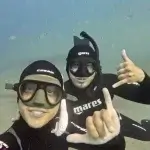
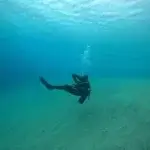
Both activities can be very safe when practised correctly.
They simply involve different risks.
Scuba diving relies on equipment and compressed gas.
Freediving relies on breath-hold techniques, relaxation and proper supervision.
Neither activity is inherently safer than the other.
The most important factor is training.
A well-trained diver is generally a safer diver, regardless of discipline.
Freediving in Fuerteventura
South Fuerteventura offers excellent conditions for beginner freedivers.
Clear water, warm temperatures and calm training locations create an ideal environment for learning.
At Apnea Fuerteventura, we provide beginner-friendly freediving experiences and courses near:
- Costa Calma
- La Lajita
- Tarajalejo
- Jandía
- Morro Jable
Our goal is to help students develop confidence, skills and safe habits from their very first session.
Benefits of Learning Freediving Safely
Freediving offers much more than depth.
Students often report improvements in:
- Relaxation
- Breathing awareness
- Ocean confidence
- Stress management
- Focus
- Body awareness
Learning in a safe and supportive environment allows these benefits to develop naturally.
The safest freedivers are often the most relaxed freedivers.
Explore more articles in our Freediving Training Resources section.
Ready to Try Freediving in Fuerteventura?
If you are curious about freediving and want to learn in a safe, professional and supportive environment, we would love to help.
Join us in South Fuerteventura for a Try Freediving Experience, a PADI Freediver Course or personalised apnea coaching.
Discover how enjoyable and accessible freediving can be when safety comes first.

